
Home » Can Autism Symptoms Diminish with Age Over Time?
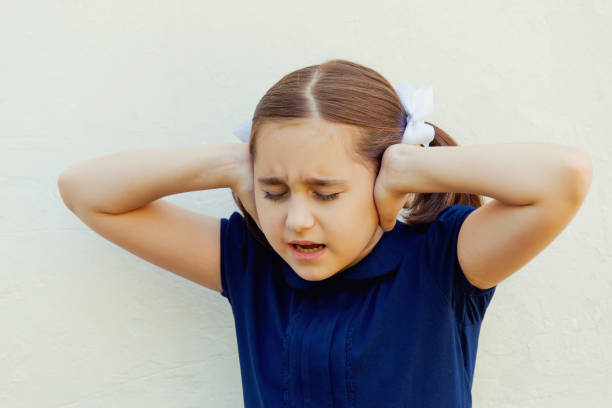
This article addresses a fundamental question for caregivers: Do autism symptoms fade or change as children grow? While autism is a lifelong neurological condition, research confirms that symptoms are dynamic rather than static. Many individuals experience significant improvements in social communication and adaptive behaviors as they transition into adolescence and adulthood, with some even reaching what is scientifically known as an "Optimal Outcome."
Key Insights:
Neuroplasticity: The brain's remarkable ability to reorganize itself, especially in the early years, allows for closing developmental gaps through intensive, evidence-based training.
Compensatory Strategies: As highlighted by experts like Simon Baron-Cohen and Tony Attwood, individuals often develop sophisticated cognitive strategies to navigate social complexities as they mature.
Evidence-Based Paths: Progress is driven by systematic interventions such as Applied Behavior Analysis (ABA), Speech Therapy, and Occupational Therapy, tailored to each individual's unique needs.
Gender Differences: The article sheds light on "Camouflaging" or Masking in females—a phenomenon where social imitation can hide autistic traits, often leading to delayed diagnosis.
Transition to Adulthood: The focus shifts toward vocational training, social integration, and robust family support systems to ensure sustainable growth and independence.
Conclusion: The journey of autism is one of continuous evolution. By combining professional interventions with a supportive environment, we can transform the management of symptoms into the investment of potential, ensuring a future of independence and a high quality of life.
💡 Tip: This article is available in Arabic. Switch the site language from the top menu to access the full guide and resource.
WhatsApp us
نثمن هذا الأداء الراقي والمخرجات المتميزة عمل رائع واستفدت كثيرا اشكرك