
Home » Building Social Skills Through Applied Behavior Analysis (ABA)
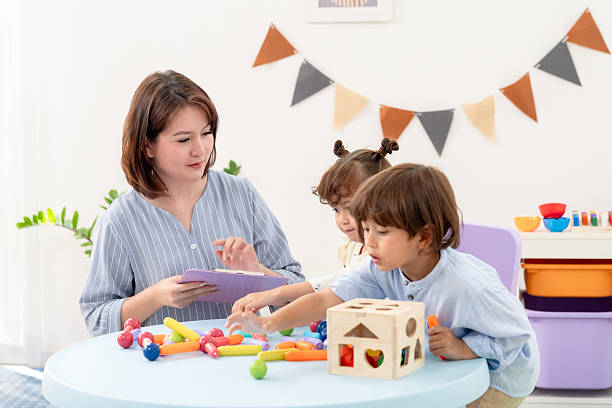
Applied Behavior Analysis (ABA) serves as an evidence-based early intervention designed to help children with Autism Spectrum Disorder (ASD) and developmental delays overcome social challenges. Rather than pushing children into uncomfortable situations, ABA systematically breaks down complex social interactions into structured, measurable steps.
Core Target Skills: Programs focus on essential building blocks, such as initiating greetings, turn-taking, sharing materials, engaging in cooperative play, reading social cues, and engaging in reciprocal conversations.
Play-Based Implementation: During sessions, therapists utilize purposeful play to translate goals into practice through live modeling, prompting, structured turn-taking activities, positive reinforcement, and gradual fading of prompts to foster independence.
Measurement & Generalization: Progress is tracked objectively through specific behavioral metrics—including frequency of initiation, level of independence, motivation, and the ability to generalize skills across diverse settings (home, clinic, school, and community).
Parent Involvement: Active caregiver training and collaboration with certified behavior analysts (BCBA, QBA, QASP-S) ensure consistent reinforcement, allowing newly acquired social skills to be integrated into daily home routines.
💡 Tip: Available in Arabic! Switch language at the top menu to read the full article.
WhatsApp us
No Comments